Bioproduct Seal
N° 001
Design studio and regenerative biomaterials laboratory. We transform organic waste into biodegradable raw material for clothing, interior design, and functional art.
Our biomaterials are biodegradable, non-polluting, and non-extractive. Conceived from circularity, without depleting resources or leaving persistent waste.
We take nature as our model. Like bees building in balance with their environment, each formulation answers to an ecosystemic logic.
Each piece serves as a tool to raise awareness about responsible consumption, traceability, and new ways of inhabiting the planet.
Experimental formulations developed at BioMatLab from grape pomace, spent coffee grounds, yerba mate, and agro-industrial by-products. Validated by INTI.
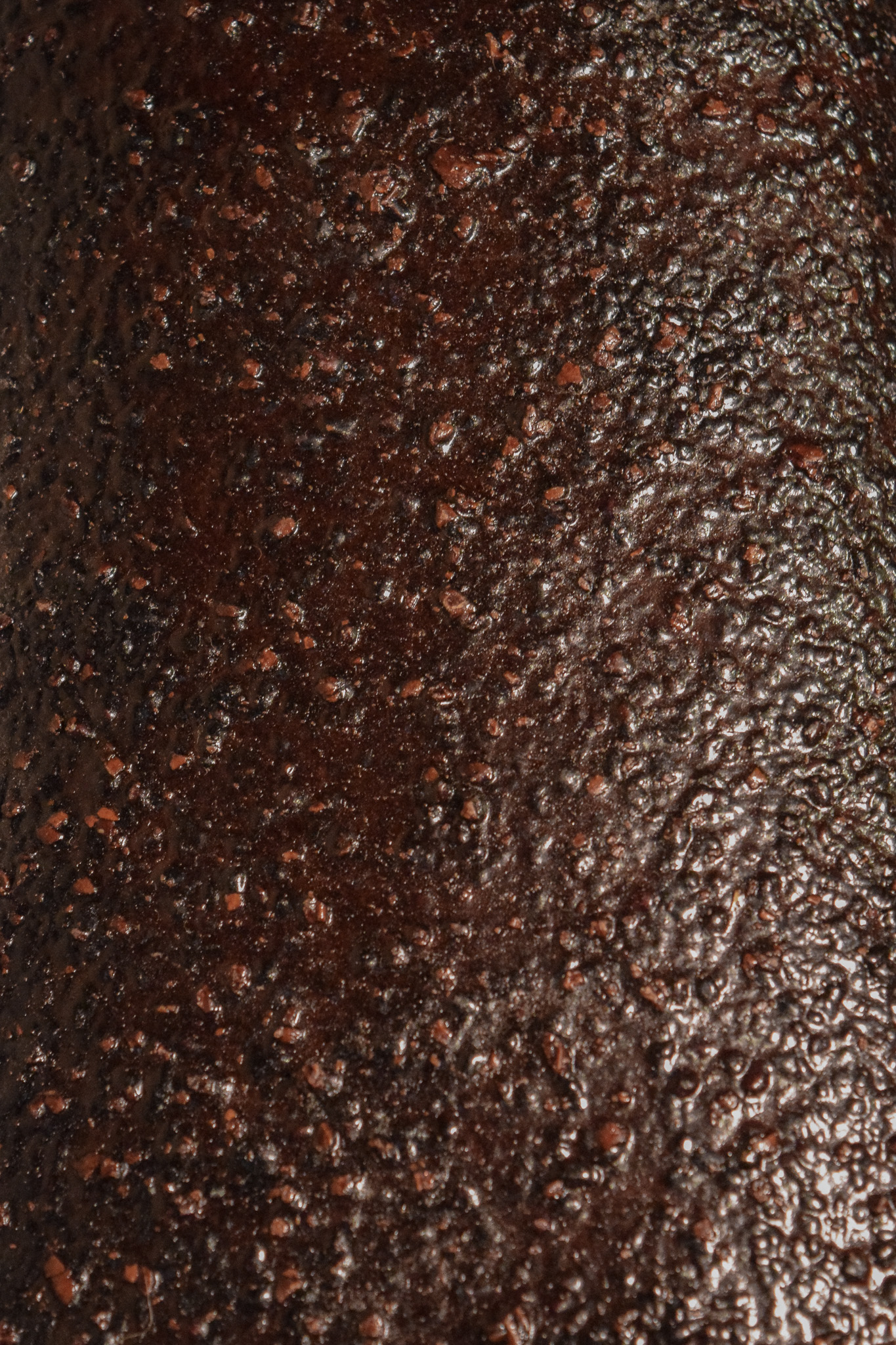
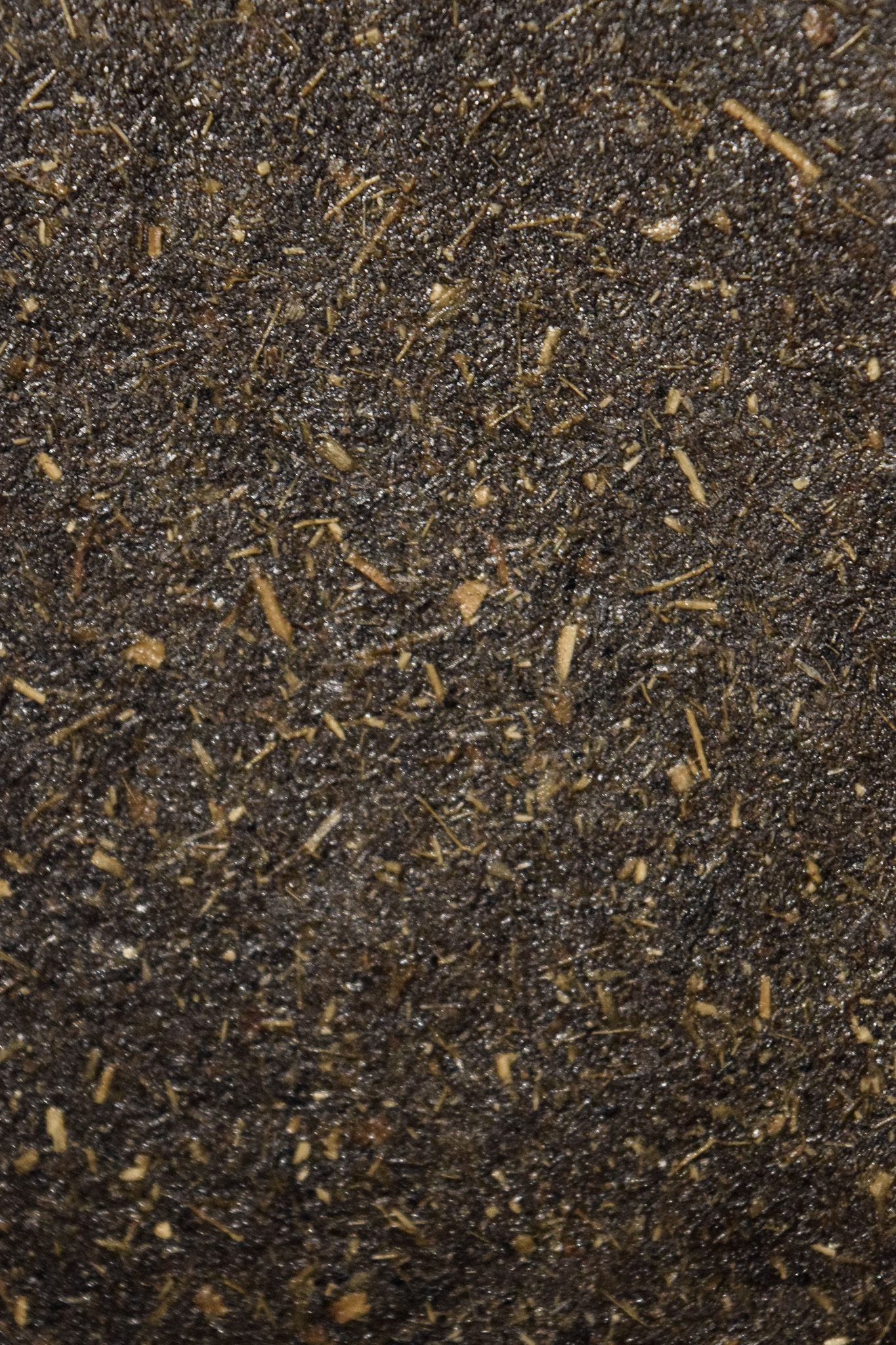
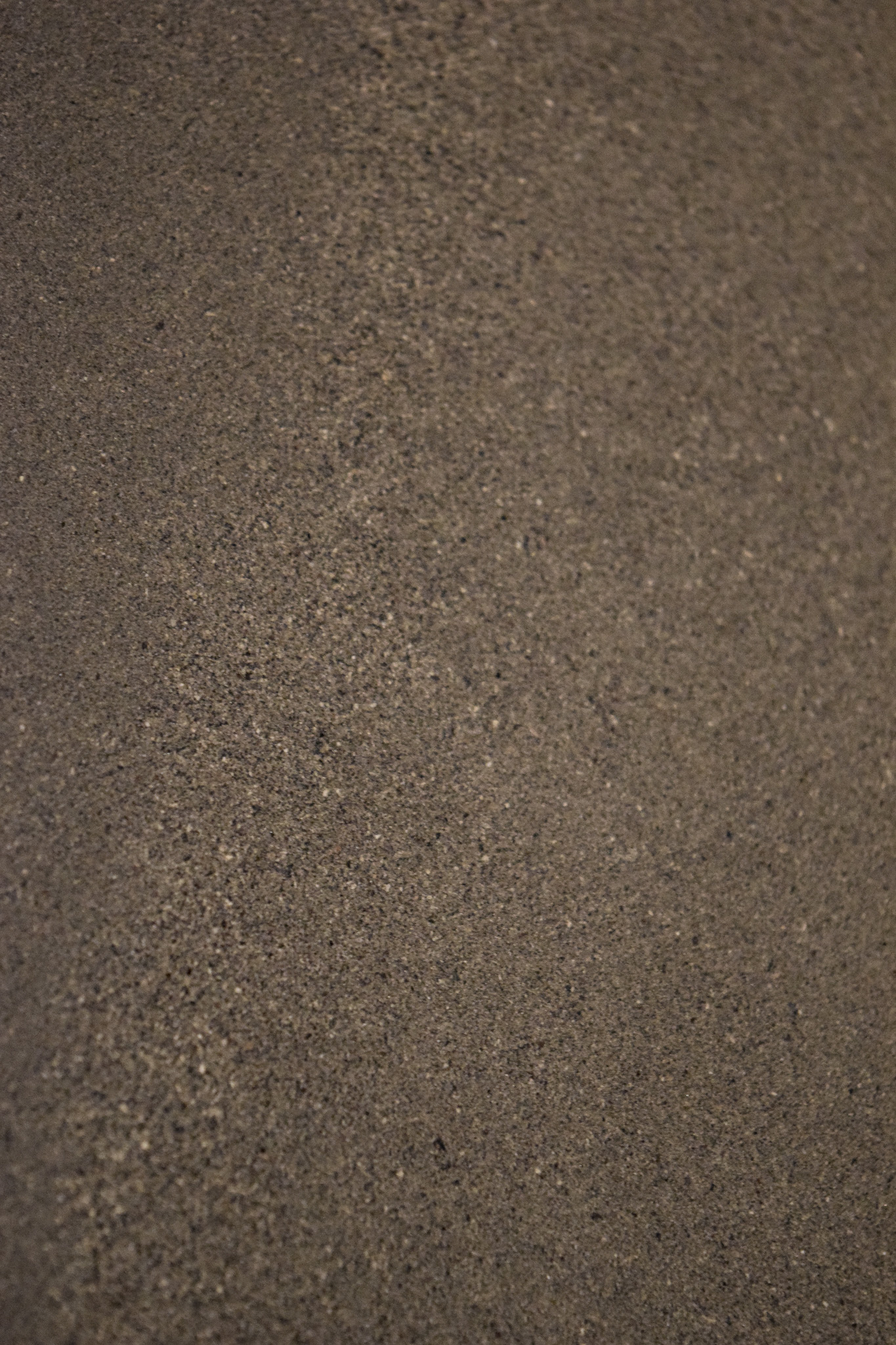
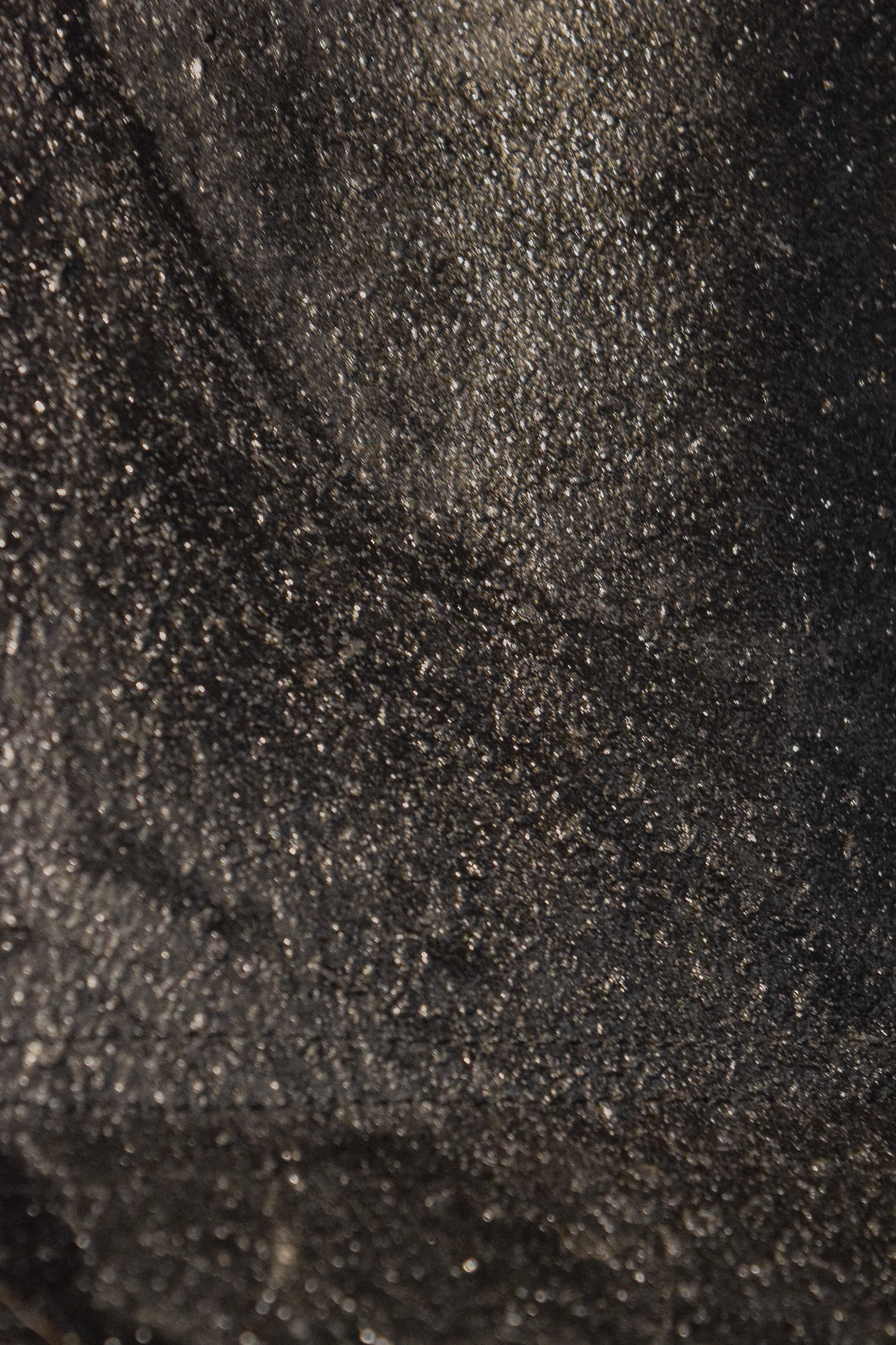
Four phases connecting agro-industrial residue with the finished object, without disrupting the biological cycle. Each stage documented, traceable, and replicable.
Identification and capture of non-polluting organic residues from industrial and agricultural supply chains. Focused on local flows, establishing alliances with regional producers and companies.
Biotechnological laboratory processes. We combine organic matter with bio-based matrices to produce biomaterials featuring specific aesthetic, tactile, and functional properties.
Co-design with brands, studios, and artists. Development of prototypes and small batches for accessories, apparel, interior decor, and furniture. Each piece holds a material narrative.
Verified biodegradability at the end of its useful life cycle. Materials return to the ecosystem leaving zero persistent waste, achieving a completely regenerative loop.
Supply of biotextiles and bioleathers for designers, architecture practices, and sustainable fashion brands. Material swatch books, technical data sheets, and comprehensive traceability.
Accessories, interior decor objects, furniture elements, and functional art. Limited editions, bespoke unique pieces, and capsule collaborations with brands.
Tailor-made development of bio-based alternatives for fashion, interior design, and architecture sectors. Research, material prototyping, and technical validation.
Workshops, talks, and academic programs on biomaterials and environmental traceability. Shared initiatives alongside cultural spaces, universities, and art galleries.
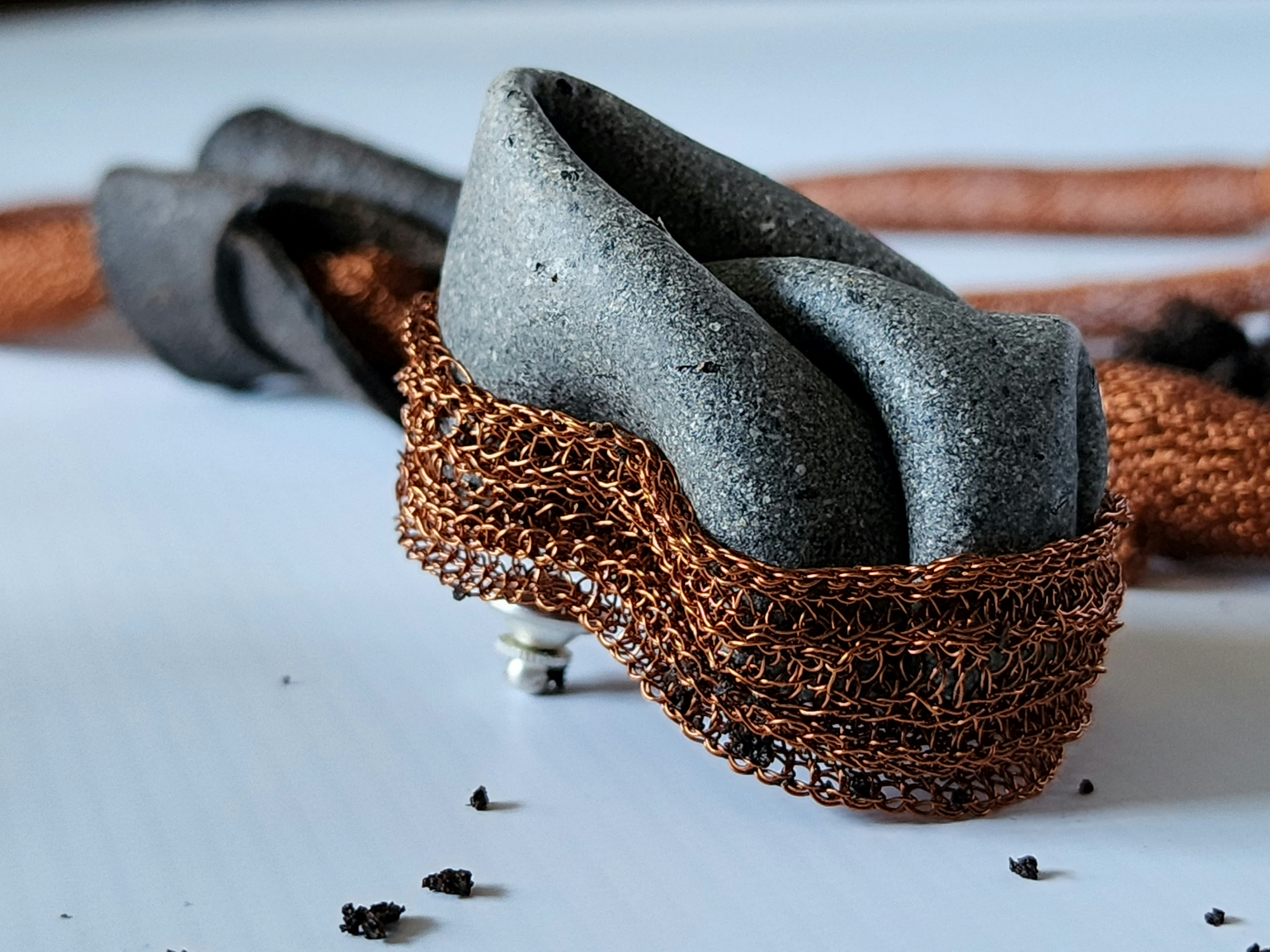
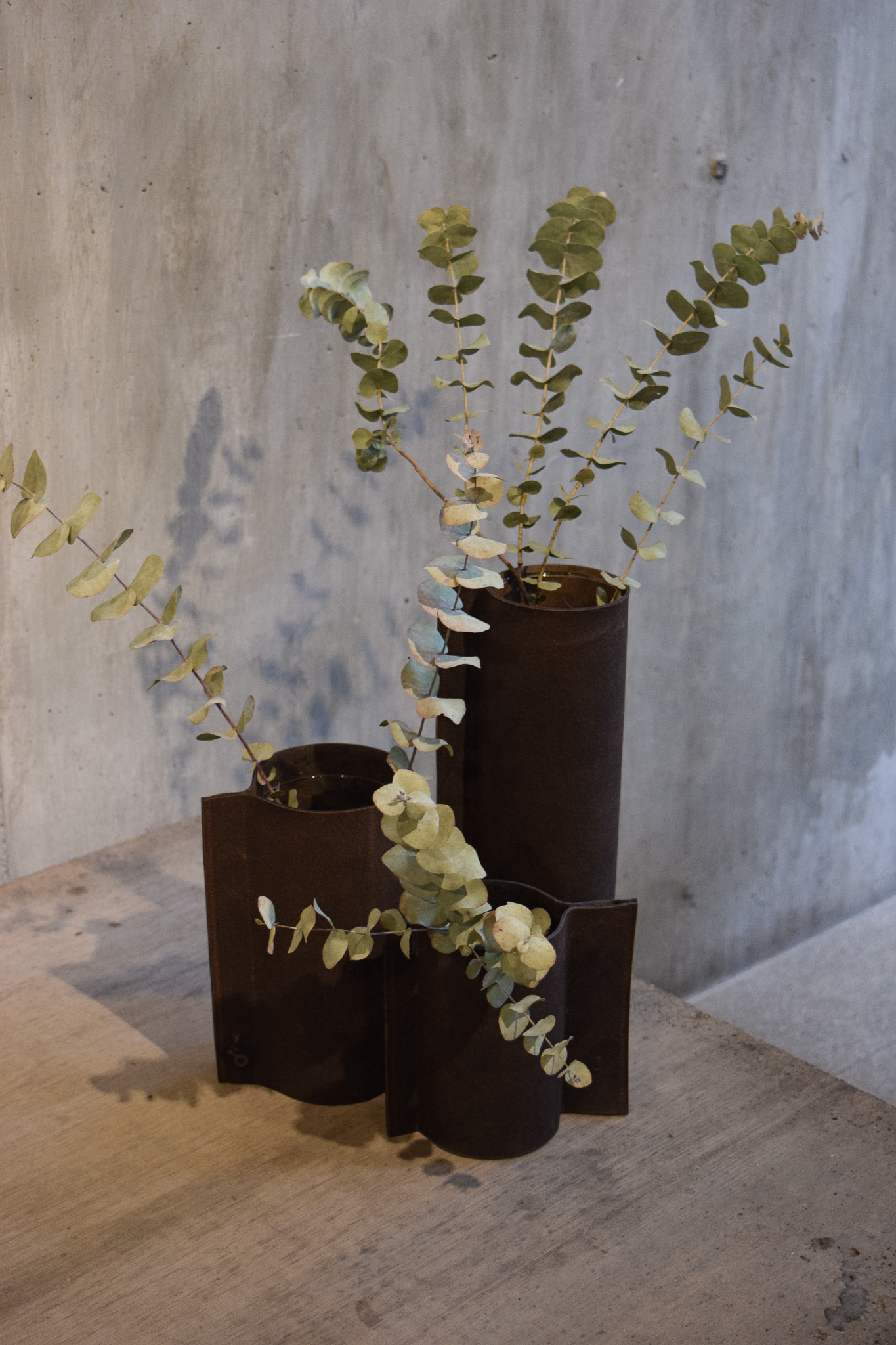
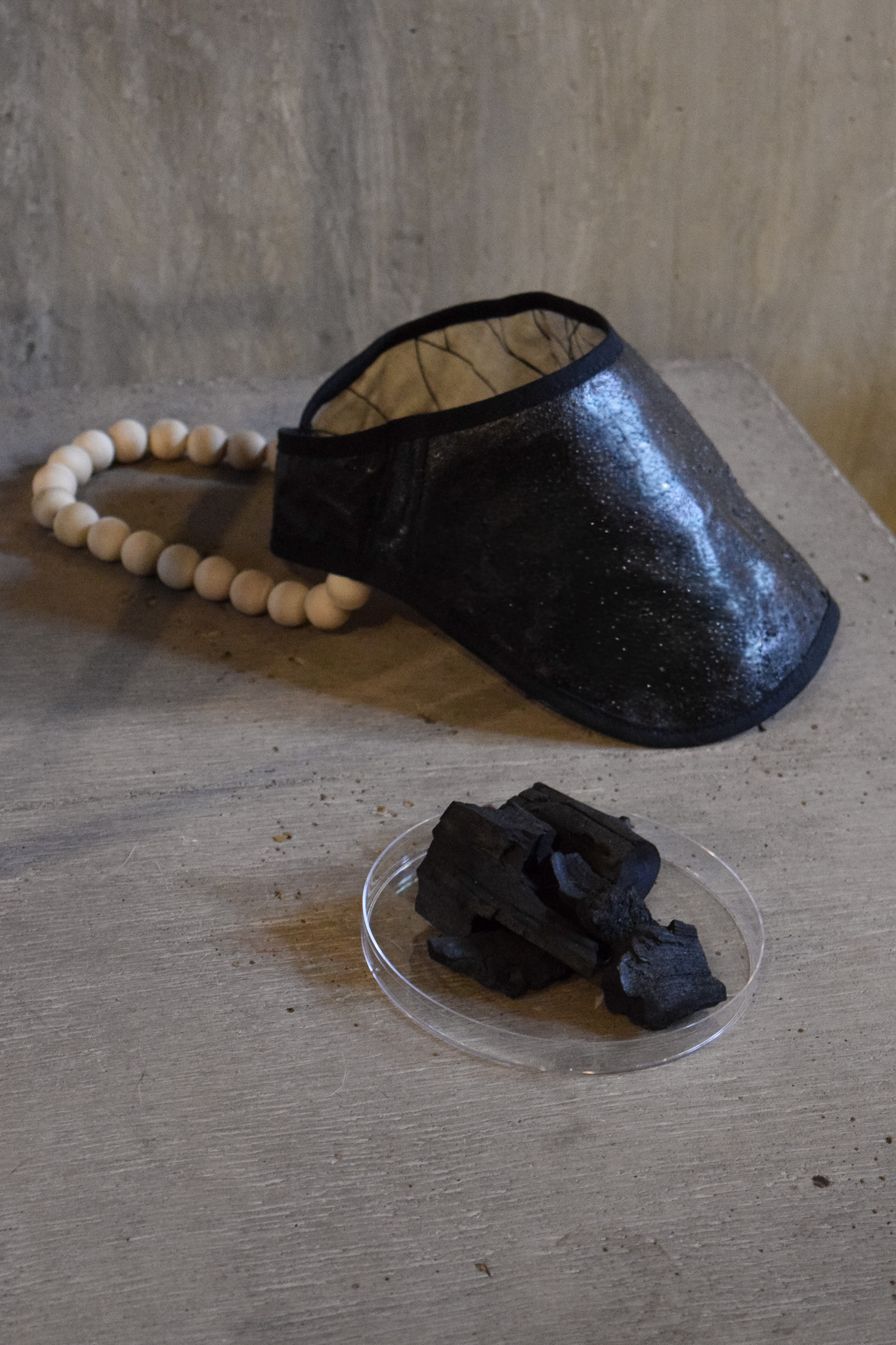
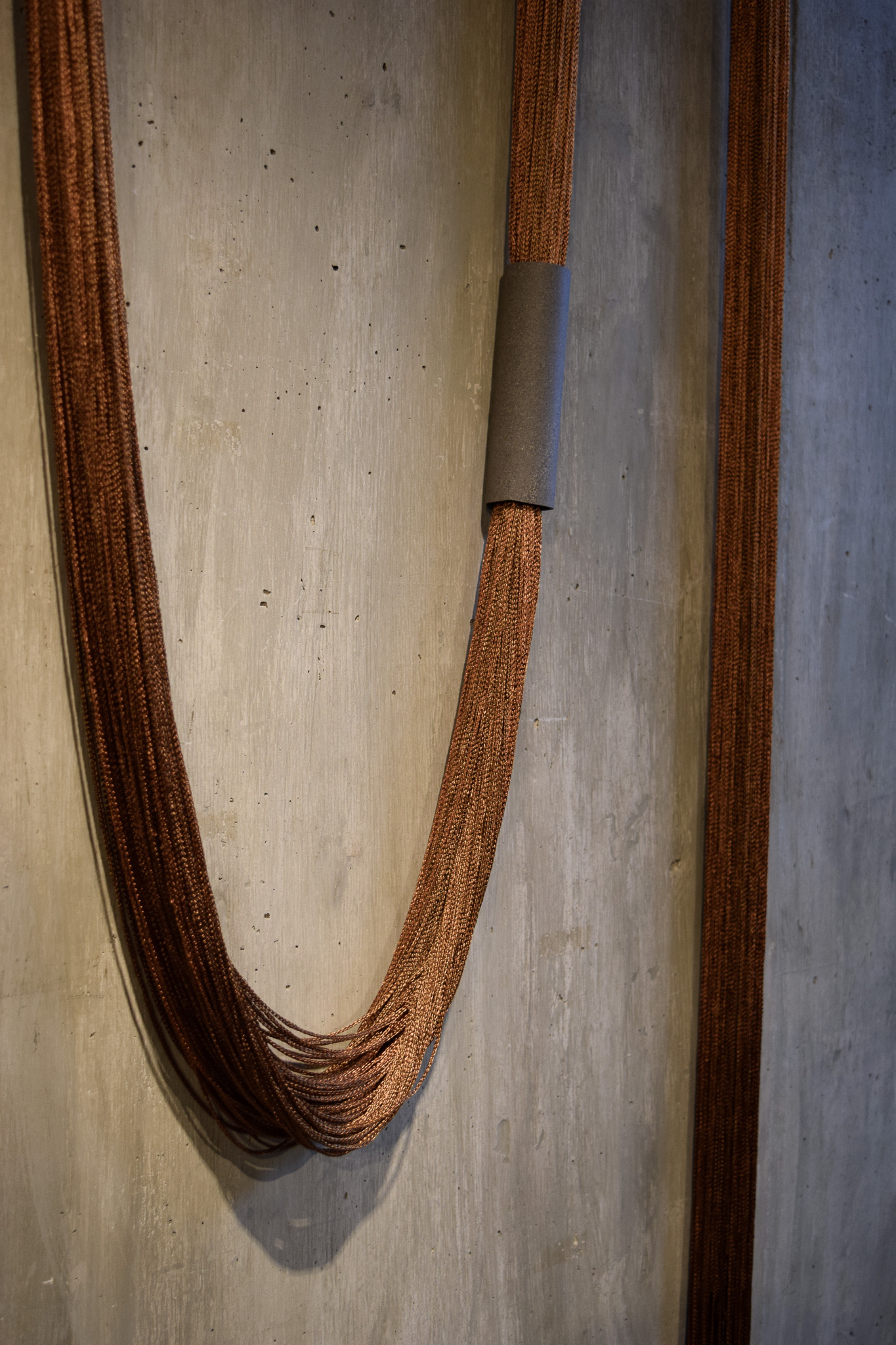
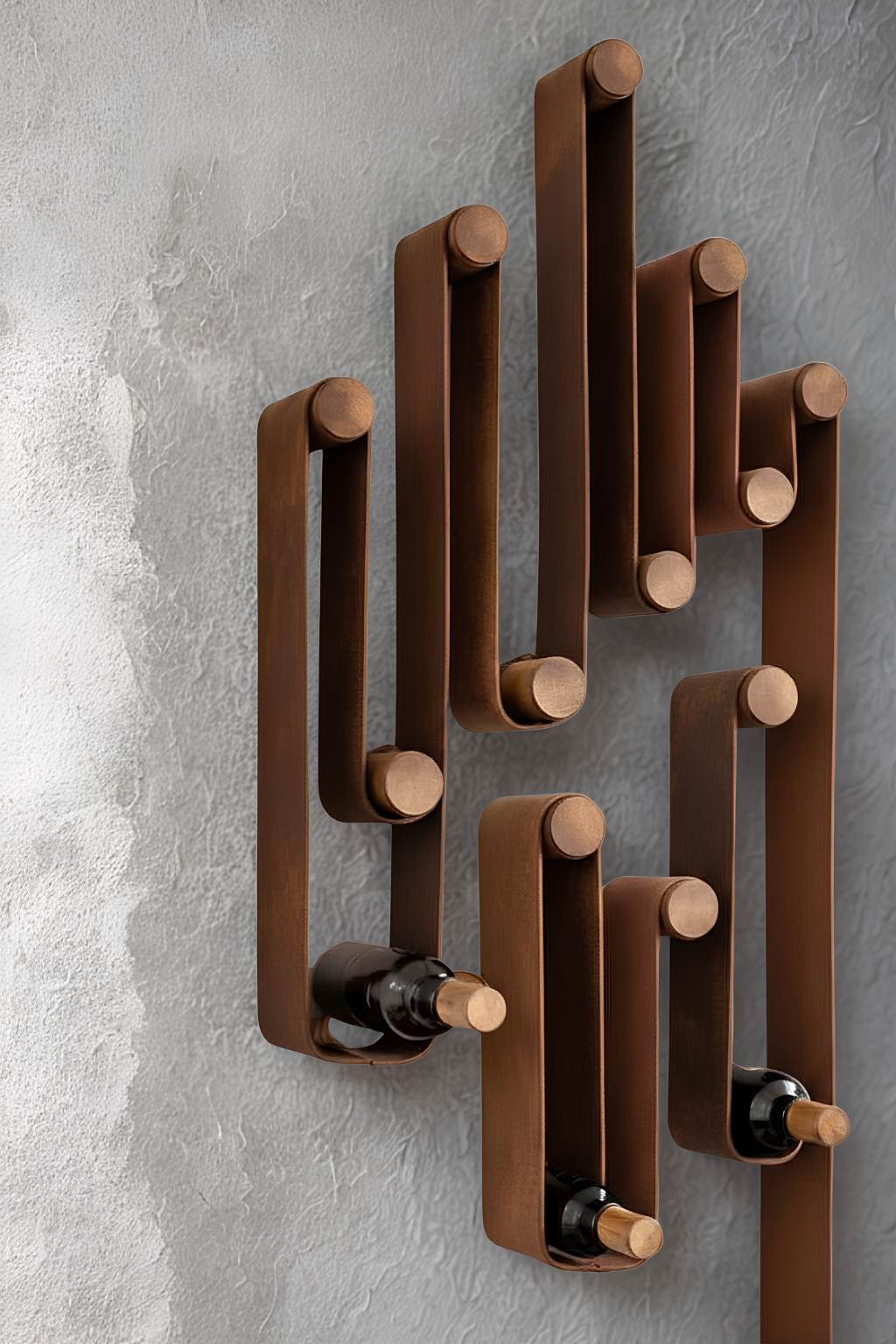
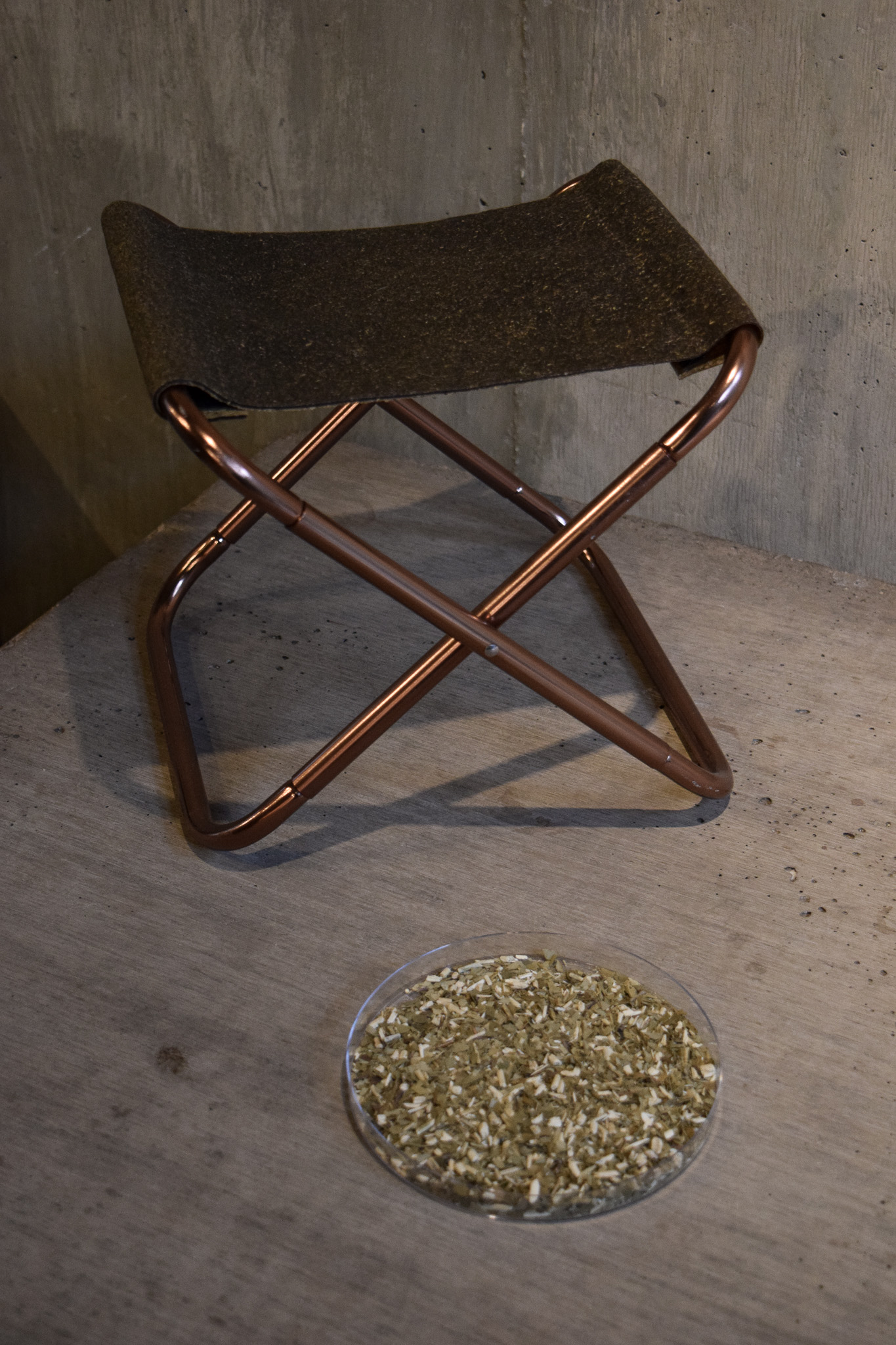
Industrial designers, fashion designers, architects, and contemporary artists seeking innovative materiality, aesthetic edge, and narrative textures.
Slow fashion, sustainable luxury, and emerging labels integrating biomaterials into capsule collections, complete with clear identity and environmental traceability.
Galleries, museums, design fairs, and contemporary art exhibitions. Installations, functional art pieces, and experimental bio-based works.
Individuals with an active interest in ecology, independent design, and artisanal crafts. Seeking products with real material storytelling and genuine green background.
Upcycling organic waste. Replacing animal leather, synthetic components, and petroleum derivatives. Measurable reduction of environmental footprint per unit produced.
Knowledge transfer through custom tailored workshops. Shaping a sustainable material culture side-by-side with designers, institutions, and local communities.
New bio-based product creation. Collaborations alongside brands, local industries, and universities. Spearheading alternative production pipelines in Latin America.
Brands, design studios, and institutions looking to work alongside biomaterials: reach out to start a conversation.